


A CLOSER LOOK AT RESTORATIVE DENTISTRY
Restorative dentistry is one of the branches of dental care that concentrates on repairing and replacing missing or damaged teeth to aid them in their proper functioning and appearance. It encompasses a variety of treatments that are designed to heal teeth damaged by injury, decay, or other problems.
The treatments don’t just enhance the way your mouth functions but also increase your confidence with an attractive smile.
We’ll discuss the concept of restorative dental, why it’s essential, and the best ways to take care of your teeth after the procedure.
WHAT DOES RESTORATIVE DENTISTRY MEAN?
“Restorative dentistry” is the holistic treatment of oral health issues as well as returning the mouth back to a functional and aesthetic state.
Although it’s not considered a dental specialty from the American Dental Association, general dentists are able to carry out some of these procedures with no further education or recognition. It is all dependent on the level of difficulty and the level of expertise that the dentist is at ease with.
A lot of procedures are covered by prosthodontic dentistry, such as fillings bridges, veneers, crowns complete and partial dentures, and dental implants.
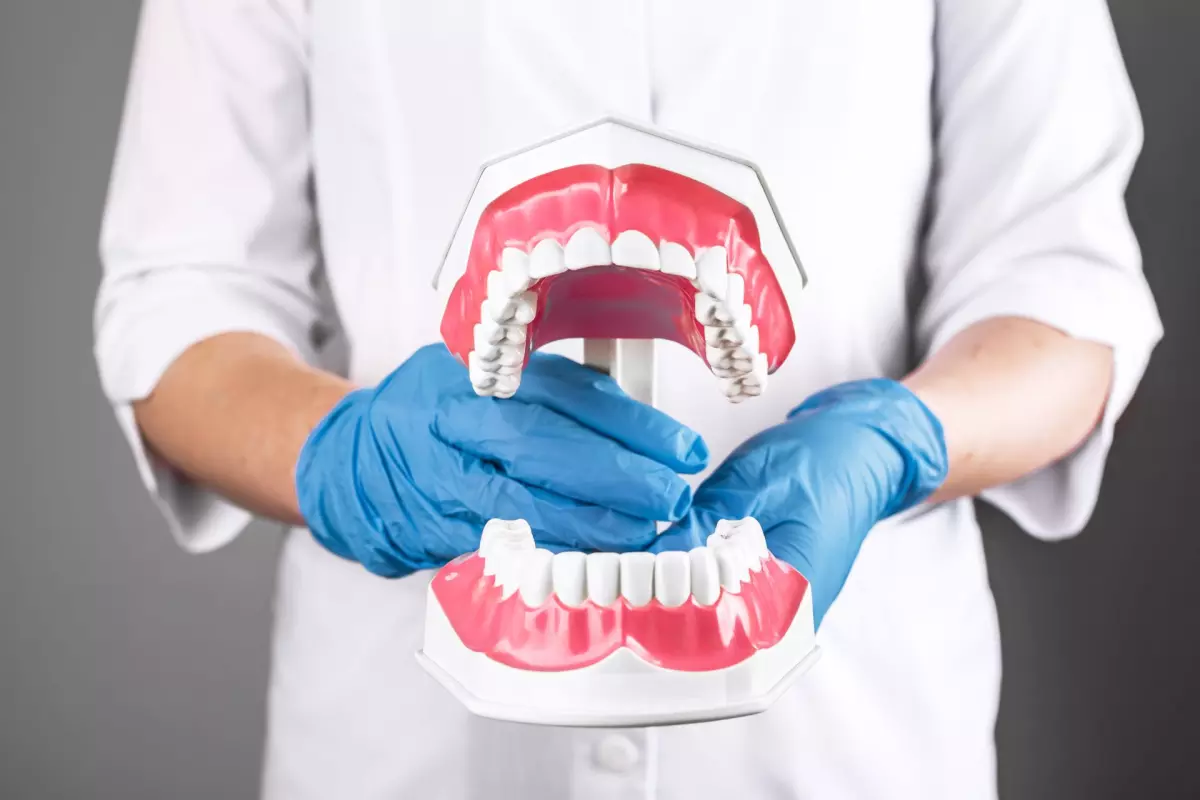
COMMON TYPES OF RESTORATIVE DENTISTRY TREATMENTS:
Restorative dentistry is a variety of procedures, each one designed to address specific dental issues. We’ll review the most commonly used procedures in depth to make it easier for you to understand the way they work and when they’re required.
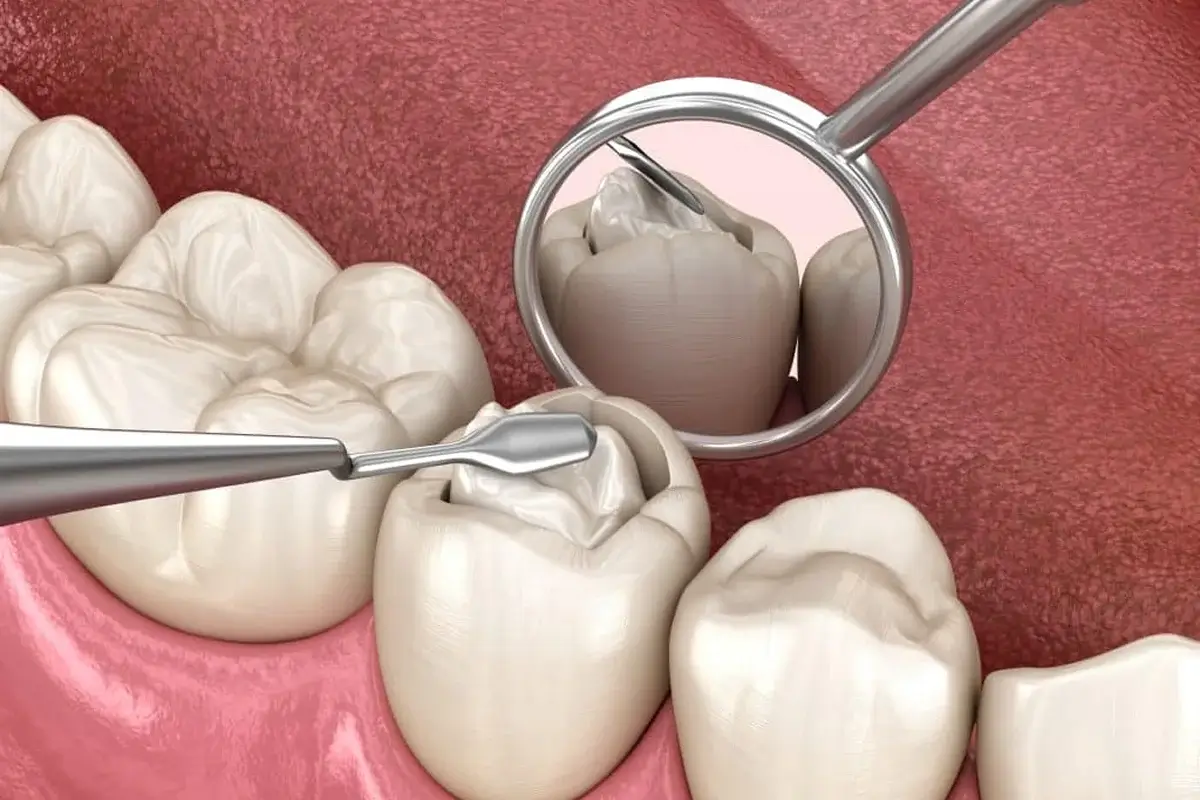
1. DENTAL FILLINGS:
Dental fillings are among the most commonly used restorative dental procedures. They are used to treat dental cavities, which are the holes in your teeth that are caused by tooth decay. If decay causes damage to the enamel’s outer layer (the enamel) The dentist will remove the affected area with either a laser or drill.
Then they will fill the gap by using a material such as amalgam (a silver-colored mixture of metals) as well as composite resin (a tooth-colored substance).
This helps restore the shape of the tooth and protects against further decay and allows you to make use of it for normal chewing and biting.
2. DENTAL CROWNS:
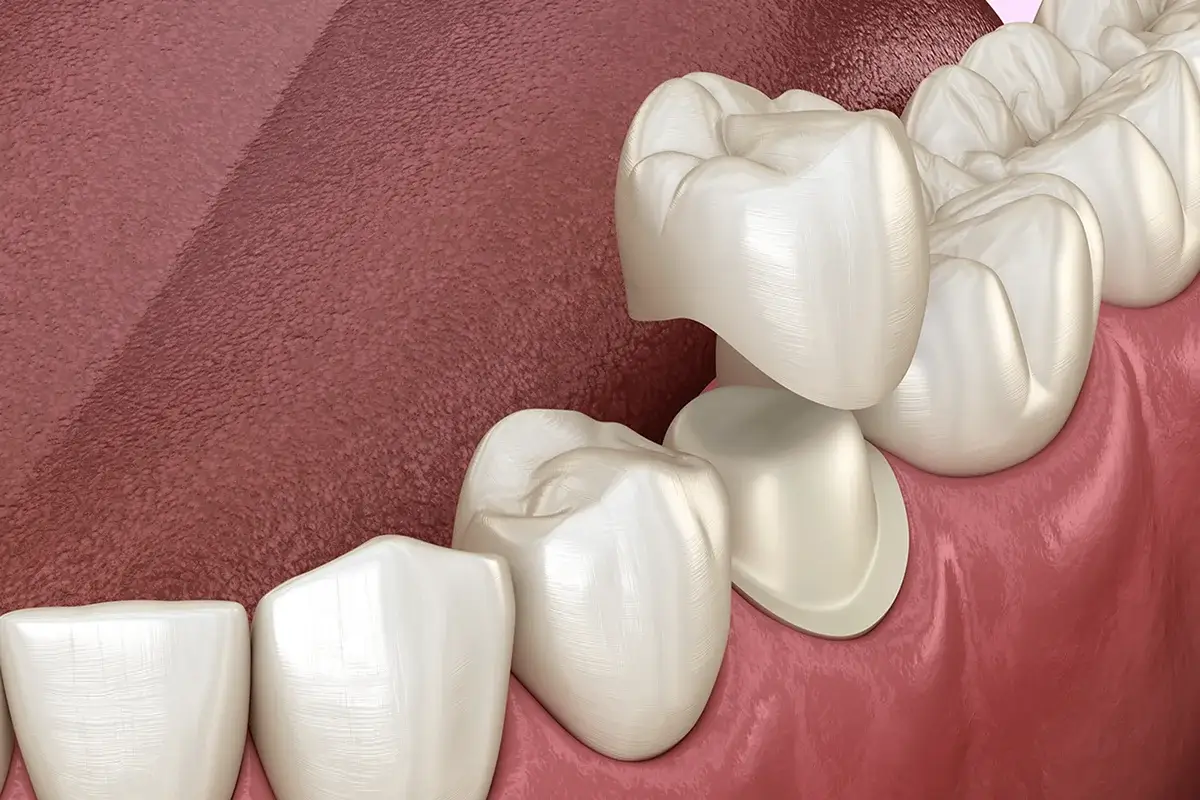
The dental crown can be described as a piece of plastic which covers an injured tooth to help protect it from further damage and to restore its form. Crowns are employed to protect a tooth that is too damaged to be filled with a filling, like when it’s seriously cracked, decayed or weak following the procedure of a root canal.
The dentist molds the tooth before placing an individual crown on it. It is constructed from ceramic, porcelain or even steel. Porcelain crowns are popular since they resemble natural teeth. Crowns do not just strengthen the tooth, but they also enhance its appearance and blend in with the rest of your smile.
3. DENTAL BRIDGES:
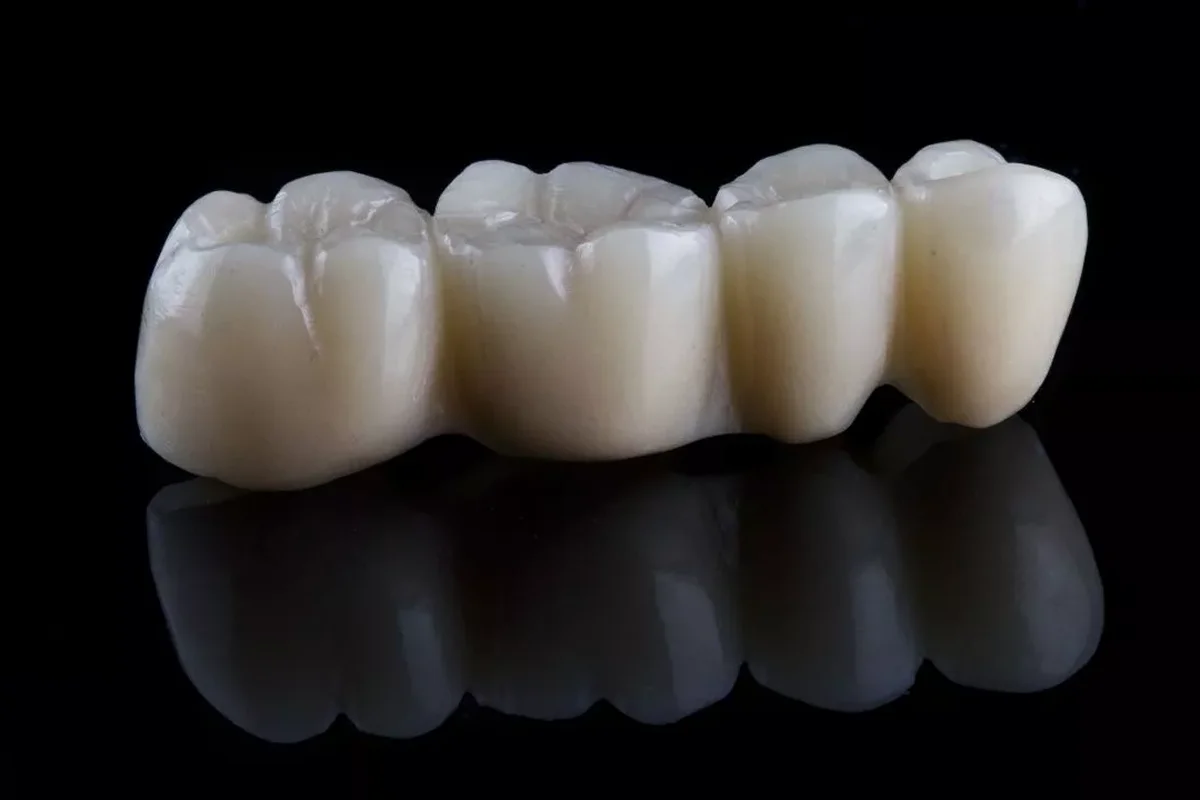
Dental bridges can be utilized to repair or replace missing teeth.
The bridge “bridges” the gap in your mouth by affixing an artificial tooth (called pontic) to your healthy teeth that are on either side, and acting as anchors. The anchor teeth might require crowns to hold the bridge in place. Bridges allow you to talk and chew comfortably and prevent your other teeth from shifting out of alignment and help maintain the form of your facial features.
They are an excellent option for those who’ve suffered a loss of a couple teeth, but still have teeth that are healthy.
4. DENTURES:
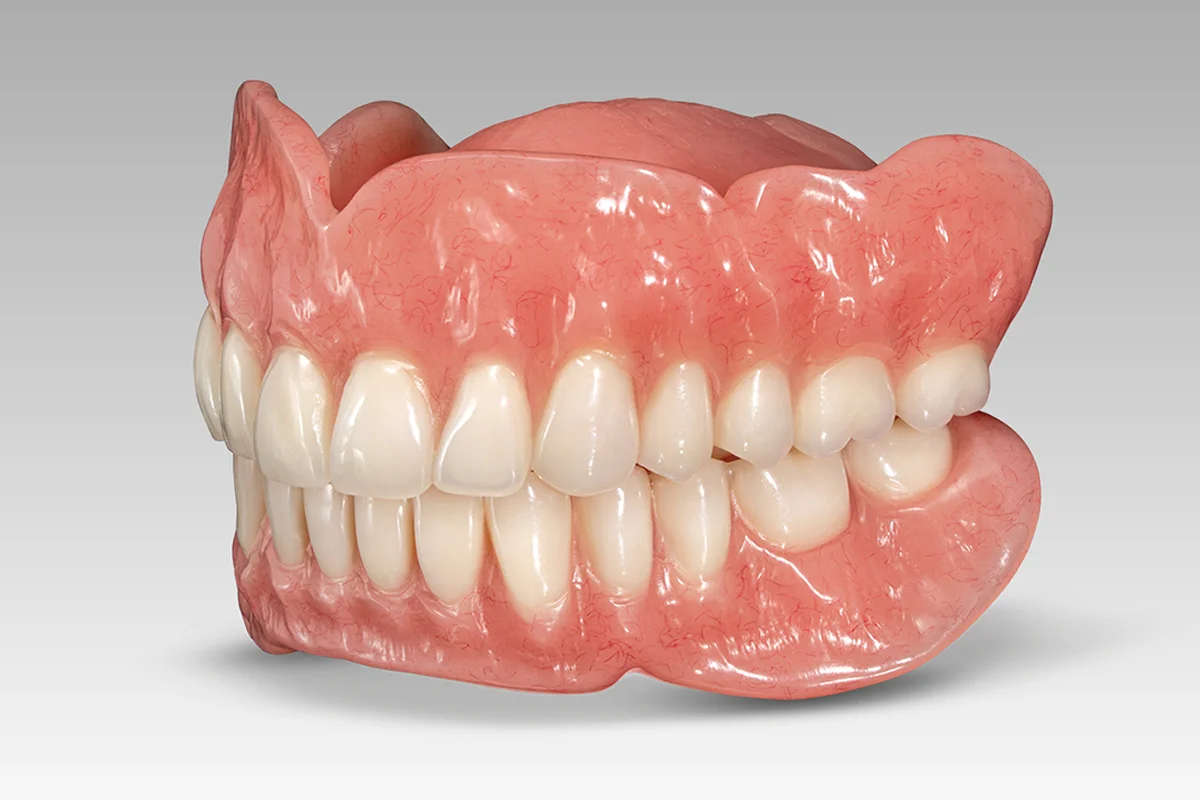
The dentures can be used as replacements to replace teeth that are missing and the gum tissue surrounding them.
They are available in two varieties that are full dentures (for those that have lost the majority of their teeth in their lower or upper jaw) as well as partial ones (for people who have only a few teeth). They are custom-made to fit your mouth. They’re typically constructed from acrylic or a mixture of metal and acrylic.
They allow you to speak, eat and smile with confidence. Modern dentures are made to appear natural and feel comfy, even though it can be a while before you become used to wearing them.
5. DENTAL IMPLANTS:
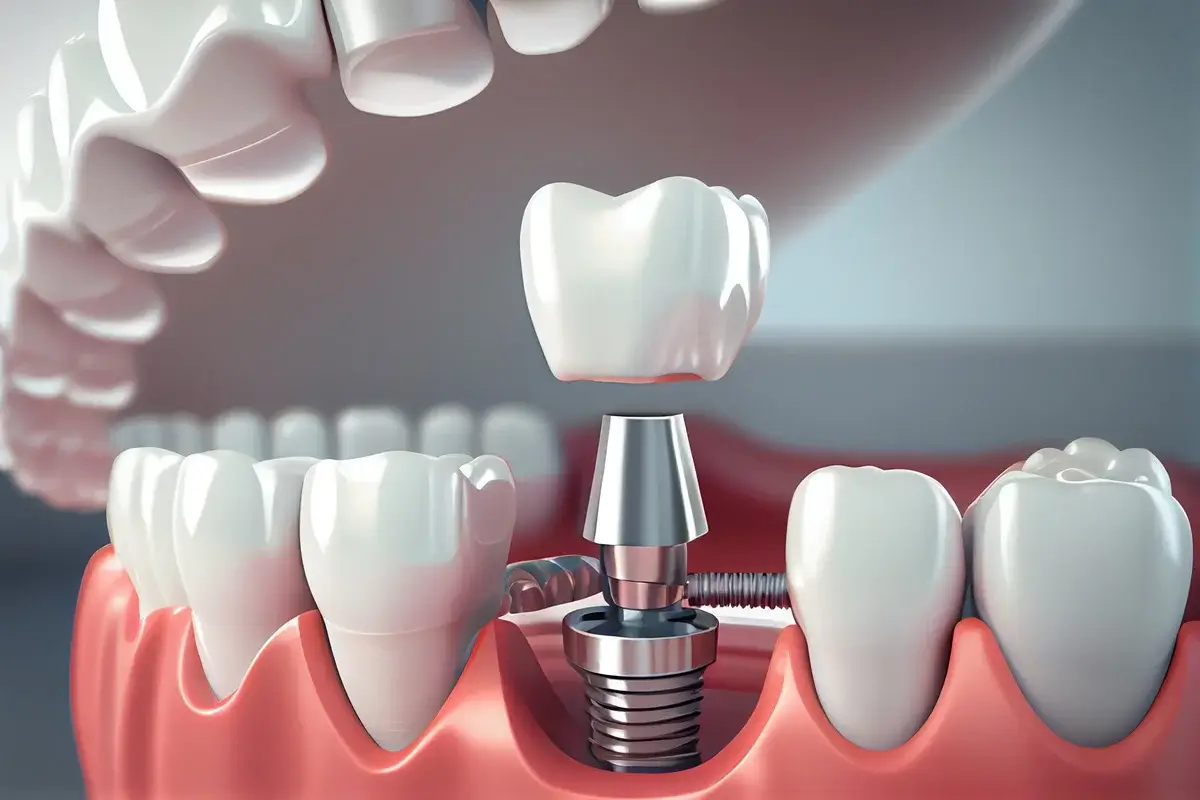
Implants are an effective and long-lasting option for replacement of missing teeth. Implants involve inserting a tiny titanium post in the jawbone.
It functions like the roots of teeth. When the post is fused to bone (a process known as osteointegration) an individual tooth is attached. Implants are similar to natural teeth, and are sturdy, which makes them perfect for those looking for an end-to-end solution.
They also keep the jawbone in good condition by activating it, which can prevent loss of bone in the event of missing teeth.
6. ROOT CANAL TREATMENT:
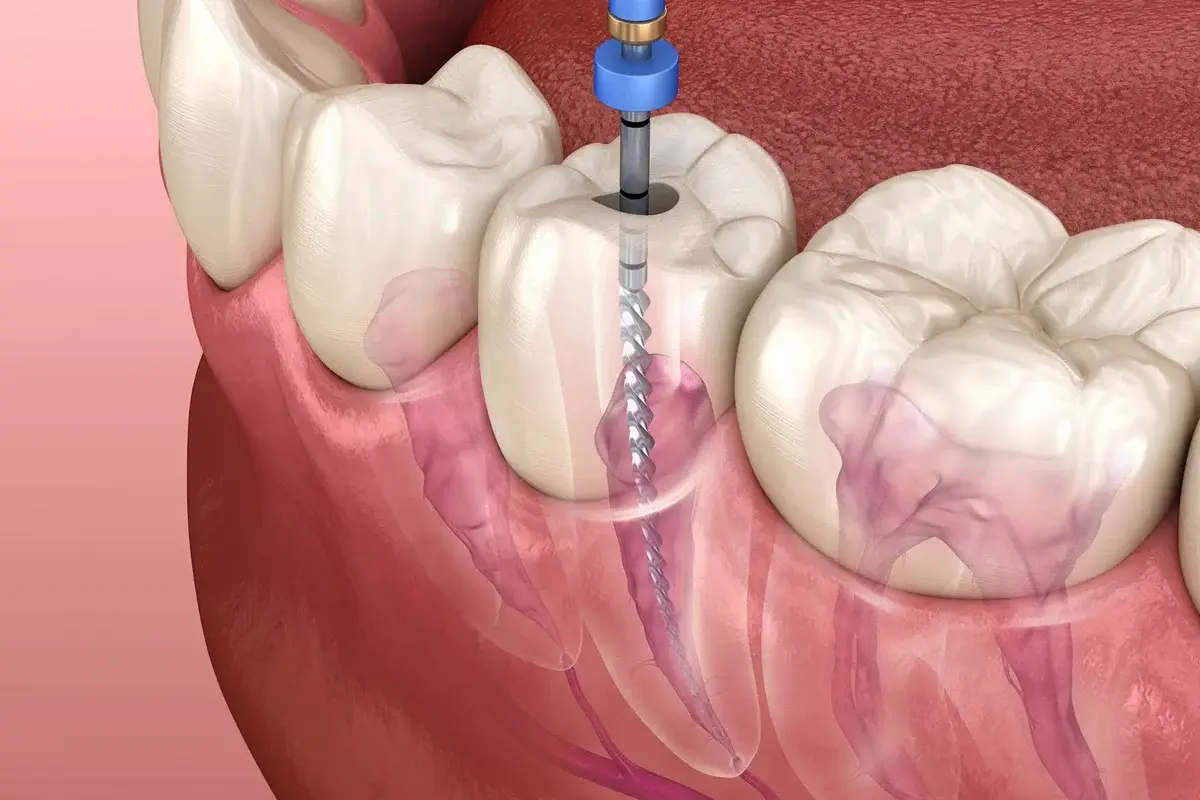
A root canal treatment is performed to treat soft tissue that is inside the tooth (called the pulp) is damaged or infected typically due to severe decay or an injury. In the course of treatment dentists remove the affected pulp, cleanses the tooth’s interior and fills it up with a particular material that seals it.
In the majority of cases the crown is put on top of the tooth to protect it and improve its strength.
Root canals can save teeth that might otherwise have to be removed which allows you to preserve your natural tooth.
WHY RESTORATIVE DENTISTRY IS IMPORTANT?
Dentistry that is restorative plays a significant part in ensuring that your mouth stays well-maintained and functional. Missing or damaged teeth can create all kinds of issues such as difficulties chewing properly, having trouble talking clearly, or being uncomfortable about your smile.
These issues could cause more serious issues like gum disease, infections or even changes to the jaw’s structure. Restorative dentistry can address these issues in the early stages, and prevents them from becoming more severe.
In addition to health benefits, restorative dental care can improve your overall health. If your teeth function well, you are able to enjoy the foods you love without discomfort or discomfort. A healthy smile boosts your confidence and makes it much easier to talk about, laugh and communicate with other people.
It doesn’t matter if it’s a filling to stop pain in the teeth or implants that fill a gap, these procedures make an enormous difference in the way you feel each day.
SIGNS YOU MIGHT NEED RESTORATIVE DENTISTRY:
It is possible to require restorative dentistry If you experience any of the following problems:
- Sensitivity or pain in your teeth during eating cold, hot or sweet foods.
- Dark spots or visible cavities visible on the teeth.
- Broken, chipped, damaged or chipped teeth.
- Teeth that are missing cause difficulty in chewing or speaking.
- The swelling or pain you feel in your gums could be a sign of an infection.
If you’re suffering from one of these issues it’s best to visit your dental professional as quickly as possible. They’ll inspect your teeth, and possibly perform X-rays, and then recommend the most appropriate restorative solution for your specific situation.
Regular dental exams are crucial because they will detect problems before they grow into larger problems that require more extensive treatment.
CARING FOR YOUR TEETH AFTER RESTORATIVE DENTISTRY:
After you’ve completed an operation for restorative dentistry, maintaining your teeth is vital in order to keep the results as long as they can. Here are some simple tips to adhere to:
- Cleanse your teeth twice per every day using a soft-bristled brush to prevent damage to restorations such as Crowns, fillings, or crowns.
- Make sure you floss every day to eliminate plaque and food particles from between your teeth which is where your toothbrush won’t be able to reach.
- Visit your dentist frequently (usually once every 6 months) to check-ups and professional cleanings to ensure that your restorations remain in good order.
- Avoid chewing on foods that are hard like nuts, ice or sweets, because they may break crowns fillings, dentures, or fillings.
- If you have dentures, take them off every day with a denture cleaner. You can also allow them to soak overnight, as instructed from your dental professional.
- For implants, clean and floss them with care to avoid gum issues, and avoid smoking, which can impact the healing process.
If you follow these steps to follow these tips, you will be able to make the restorations last for many years, while keeping your teeth healthy and your smile sparkling.
CHOOSING THE RIGHT RESTORATIVE DENTISTRY TREATMENT:
Every dental issue doesn’t require the same solution, and your dentist will assist you to select the most suitable restorative treatment that meets your requirements.
The extent that the injury is severe, your budget and overall health will have an impact. For instance, a tiny tooth may only require an injection, whereas the tooth that is missing could be replaced using implants or a bridge according to what you like and what your dentist suggests.
It’s also important to note that restorative dentistry procedures have advanced significantly throughout the decades.
Modern materials, such as teeth-colored fillings, as well as realistic-looking implants can make dental restorations blend with the natural teeth. This means that you’ll have healthy, beautiful teeth that look great without anyone even noticing that having dental work done.
CAN INSURANCE COVER THIS PROCEDURE?
The cost of restorative dentistry is much. Dental insurance policies offered by private companies could be unable to cover all or some of the costs.
Before beginning treatment, make sure you are aware of how much it will cost you and the method you’ll be paying for it. Your dentist might offer payment plans that will aid you in fitting the cost within your budget.
Following-up care is an essential element of your treatment and security. It is important to schedule and keep appointments for all of them and contact your dentist when you’re experiencing problems. It’s also important to be aware of the results of your tests and keep a record of all the medications you use.
FINAL THOUGHTS:
Restorative dentistry is a vital element of dental treatment which helps repair damaged or missing teeth to allow you to take a bite, talk and smile comfortably.
From crowns and fillings to dentures and implants, these procedures address a broad variety of dental issues and improve your overall well-being and self-confidence. If you’re experiencing dental pain or decay or missing teeth consult your dental professional about restorative dental alternatives.
If you take care of your teeth and keep regular dental visits, your newly restored teeth will remain healthy and strong for a long time providing you with the smile you’re proud to display.


