


IMPACTED TEETH: CAUSES, SYMPTOMS, AND ORAL SURGERY TREATMENT OPTIONS
Impacted teeth is a typical dental problem that affects adolescents and adults as well. A tooth is deemed to be impacted when it fails to emerge completely through the gums or is not able to come into the correct position in the mouth.
This is usually the case due to a lack of space within the jaw or if the tooth is growing at an unusual angle. While some impacted teeth may remain pain-free for a certain time, most eventually cause discomfort, infection, and harm to the adjacent teeth if left untreated.
Being aware of the effects of dental problems and knowing when surgery for oral health is required can prevent problems and safeguard the long term mouth health.
WHAT ARE IMPACTED TEETH?
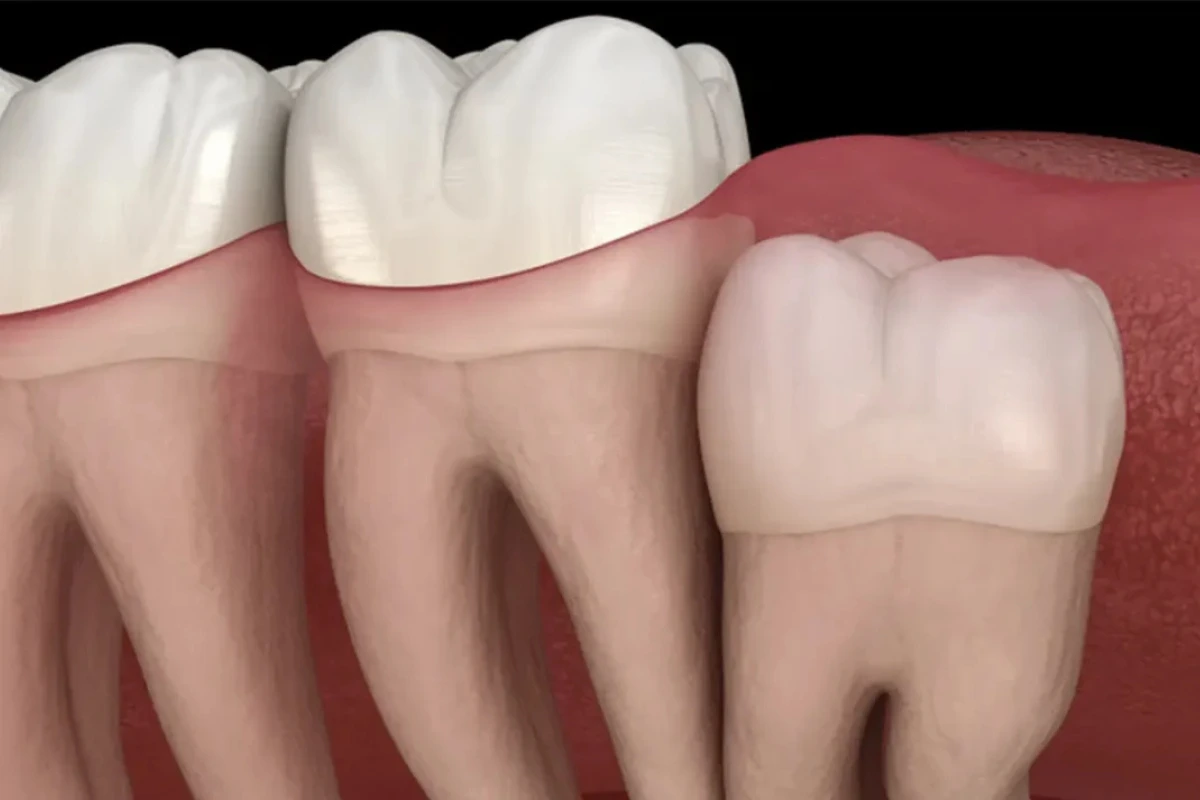
An impacted tooth occurs when a tooth is prevented from normal eruption. Instead of aligning with adjacent teeth, the affected tooth is in a secluded position beneath the bone or gum. This is most often the case with wisdom teeth; however, it may also affect canines and other permanent teeth.
Impactions can be severe or mild. Some teeth are just partially impacted, which means that some of the tooth can be seen over the gum.
Some are impacted and are completely hidden under the gums. In many instances, the teeth that are impacted develop at an angle, pressing on the adjacent tooth or even the jawbone.
COMMON CAUSES OF IMPACTED TEETH:
The most frequent cause of tooth loss is the absence of space in the jaw. If the jaw is too narrow to fit all of the teeth, some teeth might not have enough space to fully erupt. This is most common in wisdom teeth as they are generally the final teeth to develop.
Genetics can also play a part. Size of the jaw, tooth size, and patterns of eruption are typically inherited, making certain individuals more susceptible to impaction. A deviation in tooth positioning, for example, teeth growing to the side or tilted, could stop normal eruption.
Other contributors include delays in the loss of teeth at birth, excessive crowding, and issues with early eruption. The effects of trauma or developmental issues on the jaw could also interfere in normal eruption of teeth.
TYPES OF IMPACTED TEETH:
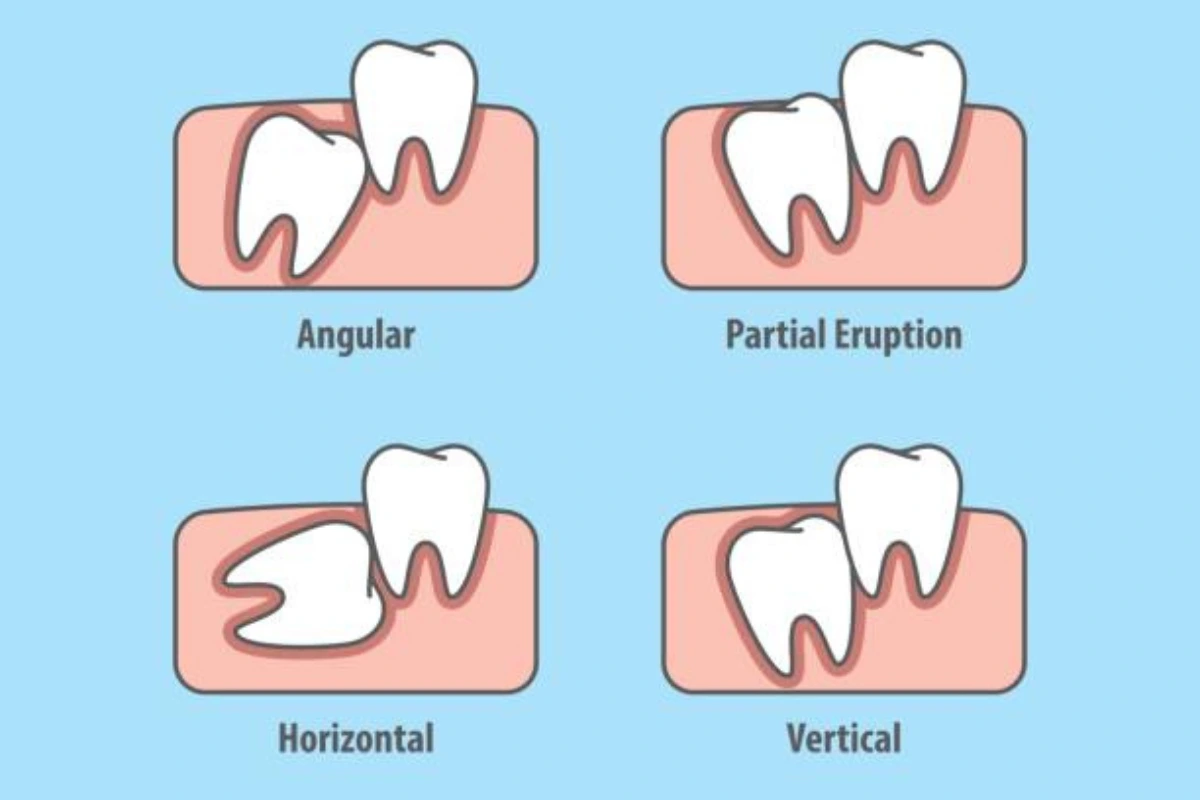
The classification of teeth that have been impacted is according to their location and angle. Certain teeth have a vertical impact, which means they are straight, but they aren’t able to grow due to the lack of space.
Other teeth are horizontally impacted, growing inwards to adjacent teeth. Mesial impactions occur because the teeth are angled forward, and distal impactions are angled toward the back of the mouth.
The location of the impacted tooth is a factor in both the severity of the condition and treatment plans.
The teeth that press on adjacent teeth have a higher chance of causing pain or structural damage, while teeth that are deeply embedded could go unnoticed until they are discovered by dental imaging.
SIGNS AND SYMPTOMS OF IMPACTED TEETH:
Some impacted teeth don’t result in immediate discomfort. Many are unnoticed for a long time and are only detected when routine dental examinations are conducted. When symptoms do develop, these should not be overlooked.
Common symptoms include pressure or pain in the jaw, particularly close to the back of the mouth. Redness, swelling, or tenderness of the gums surrounding the area of concern could indicate an infection or inflammation. The difficulty of opening the mouth fully and discomfort while chewing may be a sign of infection.
In certain cases, the impacted teeth can result in bad breath or an unpleasant taste because of the bacteria that are trapped beneath the gum. Frequent infections, gum irritation, and cyst formation are more serious indicators that require prompt treatment.
WHY IMPACTED TEETH SHOULD BE TREATED:
If untreated, impacted teeth can result in a number of problems.
A tooth that is impacted can cause damage to adjacent teeth by pushing, which can cause tooth decay or damage to the root. The gum tissue surrounding it could become inflamed, which increases the chance of developing an infection.
Impacted teeth can also lead to the formation of tumors or cysts within the teeth, and may reduce the strength of the jawbone. A long-term infection that is present around the affected tooth can spread and impact the overall health of your oral cavity.
Even if a tooth that is affected does not cause pain, it is still important to conduct a preventive examination. The earlier intervention can reduce the difficulty of treatment and reduce the chance of developing complications in the future.
DIAGNOSIS AND EVALUATION:
To determine if a tooth is impacted, you must undergo an examination by a dentist.
Dentists evaluate the symptoms, look at the gums, and utilize imaging to determine the exact position that the tooth is in. Dental X-rays offer precise information regarding deep, angle, and proximity of the affected tooth to nerves, as well as adjacent teeth.
The evaluation helps dentists to decide whether a surgical or monitoring procedure is needed. The treatment decisions are based on the patient’s age, symptoms, dental position, and overall oral health.
ORAL SURGERY FOR IMPACTED TEETH:
The procedure is usually advised when teeth that are damaged can pose a threat to oral hygiene or trigger discomfort.
The procedure involves carefully removing the affected tooth through the gum tissue, and when necessary, some bone to safely remove the tooth.
The procedure is generally done using local anesthesia, sedation, or a combination of both to ensure the patient’s comfort. The latest advancements in oral surgery techniques permit precise removal, with the least amount of disruption to surrounding tissues.
In certain cases, affected teeth that are not wisdom teeth could be surgically exposed and guided to the proper place, rather than being removed. The best approach is based on your specific tooth and treatment objectives.
WHAT TO EXPECT DURING RECOVERY?
Recovery following oral surgery for teeth that have been damaged varies depending on the complexity of the procedure. The discomfort, swelling, and restricted jaw movements are commonplace in the initial few days.
These symptoms generally improve with the proper treatment and rest.
Patients are generally advised to adhere to specific instructions for post-care, which include maintaining good oral hygiene, avoiding foods that are hard to chew, and reducing swelling. The follow-up visits are essential to ensure an effective healing process and to address any issues.
Most patients resume routine activities within a short time, and long-term complications are uncommon if post-surgical guidelines are adhered to with care.
BENEFITS OF EARLY TREATMENT:
Early treatment of teeth that are impacted provides many advantages. A timely removal or correction decreases the chance of dental infection as well as damage to adjacent teeth and jaw problems.
Patients younger than 35 years typically have easier procedures and quicker healing because of the more flexible bones and roots that are less fully developed.
The treatment of impacted teeth prior to the signs of damage can avoid emergencies and decrease the need for further operations. Regular care can help maintain long-term dental health and comfort.
PREVENTION OF COMPLICATIONS FROM IMPACTED TEETH:
Although not all instances of impaction can be avoided, routine dental visits play a vital part in detecting impaction early. Monitoring the development of teeth allows dentists to spot the possibility of impaction before signs appear.
A good oral hygiene routine can reduce the chance of developing infections around teeth that are partially affected. Following the advice of a professional and treatment timing is the most effective way to prevent complications.
FINAL THOUGHTS:
Dental impacted teeth are a frequent dental problem that could affect oral health in a variety of ways if not treated. If impacted teeth trigger immediate discomfort or are hidden under the gums, a professional assessment is crucial.
Oral surgery offers a reliable treatment option for getting rid of affected teeth, easing discomfort, and avoiding long-term problems.
By receiving timely treatment, patients can safeguard their dental health and have an attractive, healthy smile for the rest of their lives.


