


ENDODONTIC TREATMENT – WHAT IT IS AND HOW IT HELPS SAVE YOUR TEETH
Have you ever experienced a sharp pain in your tooth that didn’t disappear? Perhaps you noticed swelling on your gums, making chewing difficult?
In a majority of these instances, the issue lies within the tooth in the area where nerves and tissues are located. This is where the endodontic procedure, also referred to as a root canal procedure, is required. It saves teeth that would otherwise have removal.
The endodontic procedure is a typical dental procedure that is able to reduce pain, stop infections and help protect the natural tooth. It might sound frightening to some however, modern dentistry has made the procedure simple and easy.
Understanding how it works will reduce anxiety and highlight how vital it is to your oral health.
WHAT IS ENDODONTIC TREATMENT?
The term “endodontic” comes from two Greek words: “endo,” meaning inside”endo” meaning inside, as well as “odont,” meaning tooth. Therefore, an endodontic procedure is dealing with the inner part of the tooth.
Within every tooth are soft tissues known as the pulp. It is composed of blood vessels, nerves, as well as connective tissues. The pulp aids the tooth to grow and remain well throughout the process of the process of development.
When this pulp is damaged or infected it can cause severe discomfort and sensitivity. The infection may spread to the surrounding bone or other teeth if they are not treated.
The endodontic procedure removes the affected pulp, cleanses the teeth’s interior and seals it in order to prevent any further infection. The tooth is left in position and functions normally.

WHY IS ENDODONTIC TREATMENT NEEDED?
There are numerous reasons the tooth’s pulp may be injured or become infected. Common causes are:
- The deep decay process: Cavities that remain untreated for a long period could be able to reach the pulp.
- Chipped or cracked tooth A chip or crack in the tooth can allow bacteria to get in.
- Dental procedures that are repeated a number of procedures at the same time on the same tooth could make it weaker over time.
- Trauma: A hit to the mouth may hurt the pulp, even though the tooth appears to be healthy.
If the pulp is affected, it is unable to heal itself. If the tooth isn’t treated the pain can become worse and the infection may grow, leading to abscesses, and possibly loss of bone. Endodontic treatments help to eliminate the cause of infection and prevent the tooth from being removed.
SIGNS YOU MAY NEED ENDODONTIC TREATMENT:
It’s not always easy to determine if you require root canals, however certain signs could indicate an issue within the tooth. Some common signs include:
- Teethache severe, particularly when chewing
- It is a pain that persists after drinking or eating food cold or hot
- The swelling or tenderness of the gums around the tooth
- A small bump-like pimple on the gums
- Tooth discoloration or darkening
- Sensitivity persists for a lengthy period
If you experience some of these signs you should visit your dentist as soon as you notice any of these symptoms. The sooner the issue is discovered, the easier it will be treated.
HOW ENDODONTIC TREATMENT IS DONE?
Many people fear they could cause pain, however this isn’t the case. With the most modern tools along with local anesthesia the procedure is generally just as pleasant as having an appointment for a filling. Here’s a quick guide on how to do it:
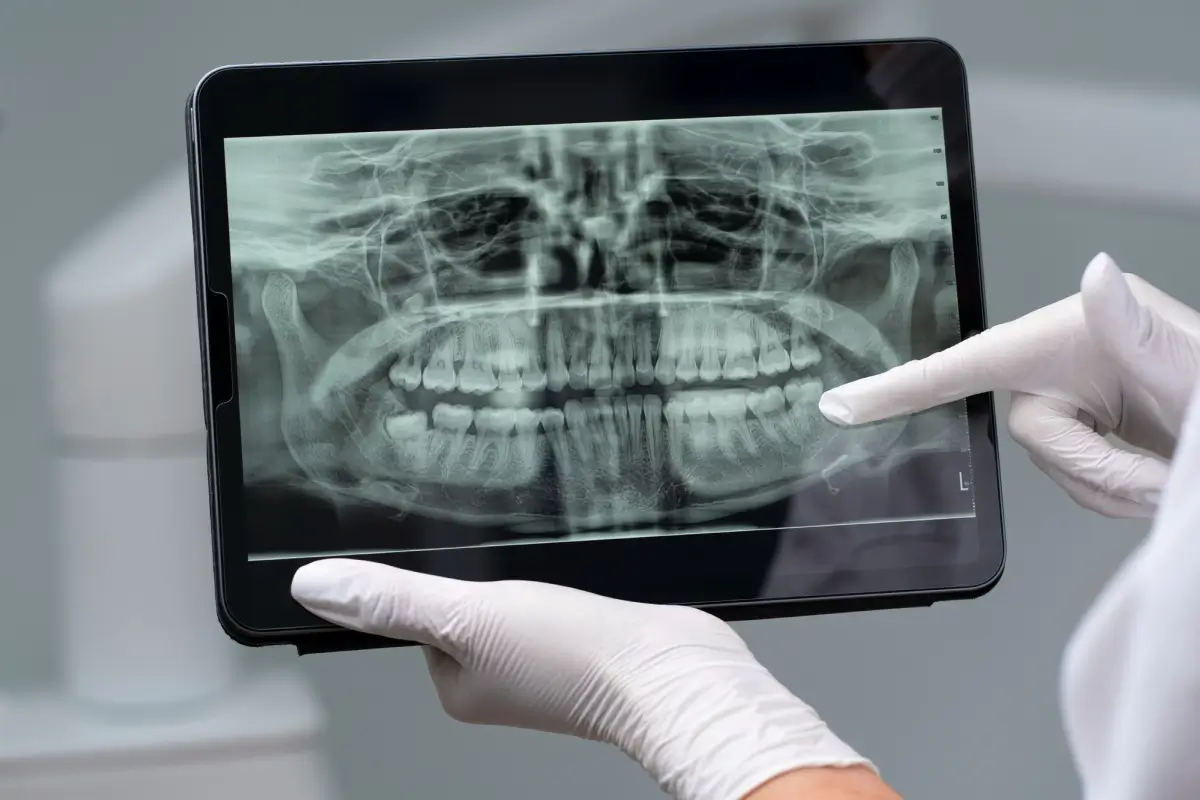
1. EXAMINATION AND X-RAYS:
The dentist will begin by inspecting the tooth and taking X-rays to assess the severity of the ailment. This aids in planning the treatment.
2. THE AREA IS NUMBED:
Local anesthesia is administered to ensure that there is no discomfort throughout the process. The dentist then seals off the tooth using a tiny sheet of rubber to keep it dry and clean.


3. REMOVAL OF THE PULP:
A small hole is created at the tooth’s top so that the pulp chamber can be reached. The dentist will carefully remove the affected or infected pulp using specific tools.
4. SHAPE AND CLEANING:
After the pulp is removed, the interior of the tooth gets cleaned, disinfected and then shaped for filling. This process ensures that there are no bacteria left.


5. SEALING AND FILLING:
The cavity is filled up with a substance similar to rubber called gutta percha. After that, the tooth gets capped by a temporary or permanent filling to safeguard it.
6. CROWNS:
In the majority of instances the crown (cap) is put on top of the affected tooth to restore its strength and form. The procedure is performed at a different time once the healing process has begun.

WHAT HAPPENS AFTER TREATMENT?
Following endodontic treatment is normal to experience slight tenderness or achiness for several days. Your dentist can recommend pain relief medications to ease any discomfort. It is also recommended to avoid eating hard food until the tooth has been fully repaired with the crown.
If you take care of it, your dental treatment can last for its entire life. Daily brushing while flossing on a regular basis, as well as going to the dentist regularly for check-ups, will ensure that it stays healthy.
Many patients report that their treated tooth is just like every other natural tooth following treatment.
BENEFITS OF ENDODONTIC TREATMENT:
There are many advantages when you have an endodontic treatment performed instead of removing the tooth. The main benefits are:
- Keep your natural tooth intact. Maintaining your natural teeth is always better than having to replace them.
- It stops the pain and infections: It stops the root of the pain and also stops the spread of infection.
- Restores chewing capability: Following treatment, you are able to consume food and chew normally.
- Enhanced appearance: Crowns restore the natural appearance of your teeth.
- Helps protect other teeth If you save just one tooth you can help to ensure that your bite is aligned properly. bite.
Endodontic treatment is not just about saving teeth, but it also improves your overall health.
RISKS AND POSSIBLE COMPLICATIONS:
While endodontic treatments are very safe and extremely effective but no procedure is 100% safe. In rare instances complications could occur. Examples:
- The infection can recur in the event that there are bacteria left inside.
- The canal for the root could be blocked or curvilinear and difficult to remove.
- A tooth fracture can affect the healing process.
- The filling material might not be completely sealed which allows bacteria to infiltrate back in.
Dentists generally examine and track the treated tooth at follow-up visits to ensure the proper healing. If a problem does arise the issue can be fixed with a different procedure.
HOW TO PREVENT THE NEED FOR ENDODONTIC TREATMENT?
The care you give your teeth on a regular basis can prevent tooth decay and infections that could cause root canal treatment. Simple habits can make a big difference:
- Cleanse your teeth at least twice per day with fluoride toothpaste.
- Every day, you should floss to wash your teeth.
- Beware of eating too many sweet foods and drinks.
- Visit your dentist for check-ups every six months.
- Wear a mouthguard when you engage in sports or grind your teeth during the night.
A good oral hygiene routine ensures your teeth are healthy and decreases the likelihood of needing an endodontic procedure in the future.
MYTHS ABOUT ROOT CANAL TREATMENT:
A lot of people believe in the myths surrounding root canals which make them anxious. Let’s dispel some of them:
Myth: The root canal is painful.
Truth: Modern root canal treatments are nearly painful due to the anesthesia.
Myth: It is better to get rid of the tooth.
Truth: Maintaining your natural teeth is more attractive and healthy for your appearance as well as chewing.
Myth: Root canals cause illness.
Truth: This is a flimsy belief that has been in circulation for years. Root canals aren’t dangerous and are used thousands of times each year.
The truth is, the best way to make people feel more comfortable about the process.
FINAL THOUGHTS:
Endodontic treatment is one the most effective ways for saving a tooth which is damaged or infected. It eases pain, reduces infections, and permits you to maintain your beautiful smile.
Many people are afraid of the concept of root canals but the reality is that it’s a straightforward and effective procedure that will keep your teeth healthy for the rest of your life.
If you are experiencing tooth swelling or pain don’t delay until the condition gets worse. Visit your dentist for a check-up. With the right treatment and care your tooth will be saved and you’ll get a healthy, pain-free mouth once more.


