


UNDERSTANDING CHRONIC TOOTHACHE: CAUSES, SYMPTOMS, AND TREATMENT OPTIONS
A persistent toothache is more than a slight discomfort. It’s a problem that is persistent and lasts for a period of weeks or months and is often worse when not treated.
Because chronic tooth pain can impact sleeping, eating or working as well as general health, it’s essential to understand what causes it and the best way to manage it.
In this article, we’re going to talk about what a chronic toothache actually is, how it comes about and how it impacts oral health and what treatments will help you find relief.
WHAT IS A CHRONIC TOOTHACHE?
Chronic toothache refers to tooth pain that lasts for longer than typically for more than a few weeks.
In contrast to sudden tooth pain caused by chewing on something or drinking cold liquid, chronic pain doesn’t disappear easily. It could feel sharp, dull and throbbing or even constant.
A few people feel it only when chewing, whereas other people experience it all day long. Since this kind of pain is usually an indication of more serious dental issues It should not be overlooked.

COMMON CAUSES OF CHRONIC TOOTH PAIN:
Numerous health and dental issues can result in long-term tooth pain. Understanding the root causes will help you determine the reason for the pain and what kind of treatment is needed.
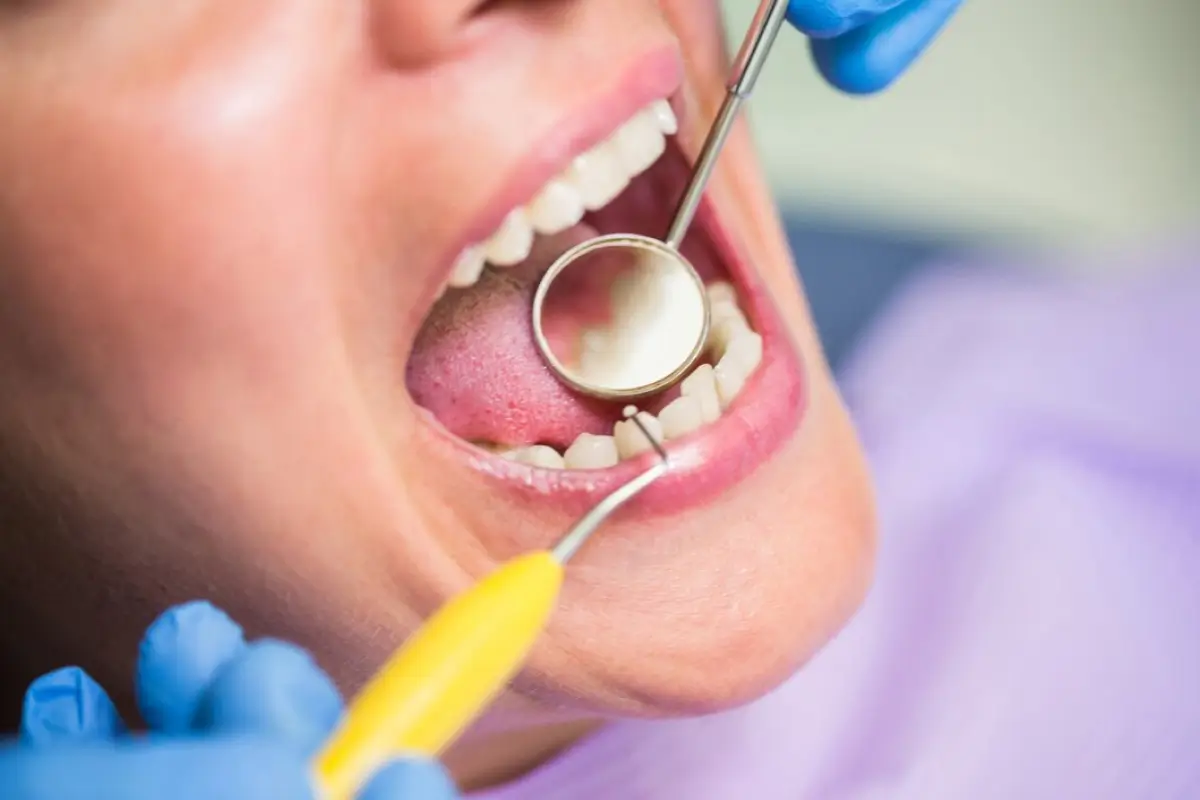
1. TOOTH DECAY:
Untreated dental cavities are among the main reasons behind chronic tooth discomfort. When decay gets into the deeper levels of the teeth, it influences the nerves and causes teeth to be extremely sensitive. The smallest amount of decay could be felt as a slight pain, but more severe decay may cause a severe popping pain.
2. GUM DISEASE:
Gum disease, also referred to as periodontal disease, can cause chronic tooth pain. When gums separate from teeth, bacteria accumulate within the tooth’s root. This causes teeth to become loose, sensitive and painful.

3. DENTAL ABSCESS:
A dental abscess is a pocket or inflammation at the root of the tooth. It is a cause of severe, persistent pain, and is often transferred into surrounding tissues. The pain could be caused by swelling, fever or a bad odor within the mouth.
4. CRACKED TOOTH:
A tooth that is cracked or broken can cause chronic pain most commonly when you chew or bite. The cracks might be too small to be seen, but they do cause pain to the nerve in the tooth.


5. WOM ENAMEL:
When the enamel of your tooth becomes damaged by grinding, acidic food, or aging, the outer teeth’s layers are exposed. This can cause the tooth to become sensitive and cause chronic discomfort.
HOW A CHRONIC TOOTHACHE AFFECTS DAILY LIFE?
Tooth pain that is chronic does not just impact your mouth. It also impacts everyday activities, mood, concentration, and general well-being.
Many sufferers report that continuous fatigue reduces their energy levels, can make eating difficult and can disrupt sleep. If this is the case, their levels of happiness decrease and stress rises.
Because tooth pain is associated with inflammation or infection It is common for people to ignore it, which causes the problem to get worse in time.
WARNING SIGNS YOU SHOULD NEVER IGNORE:
A toothache that is chronic does not always mean extreme discomfort. Sometimes, the symptoms are minor initially, but gradually get more severe.
The signs that your tooth could be at risk include minor discomfort when chewing, temperature sensitivities, swelling around the gums, discomfort when you touch your tooth, or pain that persists after eating.
If you notice these signs, prompt treatment can help prevent an issue that is minor from turning into a serious issue.
Here’s a paragraph that includes bullet points that highlight important signs to look for. A toothache that is chronic is often a sign of early warning like:
- Sharp pain after chewing or gnashing
- Redness or swelling around the gums
- Sensitive teeth to cold or hot
- There is a throbbing sensation in the tooth
- Bad breath or a bad taste
- Pain that lasts for a long time after eating
- Discomfort or pressure when contact with the tooth.
HOW DO DENTISTS IDENTIFY THE CAUSE?
A dentist starts by asking you about the symptoms, how long ago the pain began and the activities that make it more severe.
Then, a thorough examination will be conducted to check for gum disease, dental cavities cracks, or gum disease. In many instances dental X-rays are needed to identify problems concealed beneath the surface, for instance internal decay or infections near the root.
Finding the root source can be the very first thing to finding the appropriate treatment.
TREATMENT OPTIONS FOR CHRONIC TOOTHACHE:
When the root of the pain is identified the cause of the pain is identified, treatment can begin. The method of treatment used depends on the health of the gums, teeth and the surrounding tissues.
FILLINGS:
When tooth decay may be the cause of the discomfort, a filling could be sufficient to restore the area that is damaged. This prevents the tooth from extending further within the tooth.
ROOT CANAL THERAPY:
If the nerve in your tooth is injured or infected a root canal may be required. The procedure eliminates the infected tissues within the tooth, cleanses the area and then seals it. Following a root canal, the pain typically decreases rapidly.
DEEP CLEANING:
To treat gum disease treatment, thorough cleansing procedure called root planing and scaling can help eliminate the gums of bacteria. This decreases inflammation and keeps the disease from becoming more severe.
TOOTH EXTRATION:
If a tooth is seriously damaged and can’t be saved, removing it could be the best option. Removal of an infected or damaged tooth can provide immediate relief.
CROWNS:
A tooth that is damaged or cracked might require a crown to safeguard it from further injury. A crown helps strengthen the tooth and lessens the pressure upon the nerve.
MEDICATION:
Dentists can prescribe antibiotics if there is an infection or prescribe painkillers to ease discomfort while treatment.
HOW TO PREVENT LONG-TERM TOOTHACHE?
To prevent the onset of chronic toothache, you must practice regular and consistent dental visits.
Regular brushing twice per day flossing, using mouthwash to keep your teeth safe from gum disease and decay. It is also helpful to stay clear of the consumption of very sweet foods, avoid drinks that contain acid as well as drinking plenty of fluids.
A visit to the dentist twice per year helps ensure that minor problems are identified early, far before they develop into discomfort.
WHEN TO SEE A DENTIST?
If the toothache you are experiencing lasts longer than a couple of days, or if your discomfort gets more severe and more severe, don’t expect it to go away by itself.
The long-term pain can be an indication of an injury or an infection that requires expert care. Get help immediately in the event that you notice swelling or fever, or if you have difficulty opening your mouth. These signs could indicate an infection that is serious.
FINAL THOUGHTS:
A toothache that is chronic should not be dismissed lightly. It’s usually an indication of something deeper going on inside the gums or tooth.
If you are aware of the cause and symptoms and seeking treatment promptly you can avoid more serious problems and ensure dental health.
If you are quick to act and adhere to a strict dental routine and habits, you will be able to keep your smile strong, healthy and pain-free in the long haul.


