


FOODS AND HABITS THAT STAIN YOUR TEETH – CAUSES AND PREVENTION TIPS
Do you notice your teeth appear less radiant after a morning cup of coffee or glasses of red wine? Things and habits that cause staining teeth can cause the sparkle of your smile dull and make people look less secure. The staining is caused by daily things like the food you consume, drink or do every day.
Certain foods leave marks that are hard to remove as do certain behaviors, and they cause more damage by letting staining persist. Knowing the causes of staining helps keep teeth clean and healthy.
In this article, we will discuss the most popular food items and habits that tarnish teeth, and explain why they’re an issue and the best way to avoid these stains.
WHAT CAUSES STAINS?
Below are the causes of stains:
- Chromogens are compounds that have powerful pigments that stick to enamel
- Tannins, plant-based substances that help staining to adhere to teeth
- Acids — they cause tooth enamel to become harder and more rough, meaning it’s more prone to stains get in
Why Stains Stick
- The pigments present in food and beverages are absorbed into the enamel pores.
- Acidic items weaken enamel, making it stain-prone.
- Plaque traps the pigments in case they are not removed.
- Aging is a process that thins enamel, which exposes dentin.
- Stains from bad habits such as smoking can seep into your teeth.
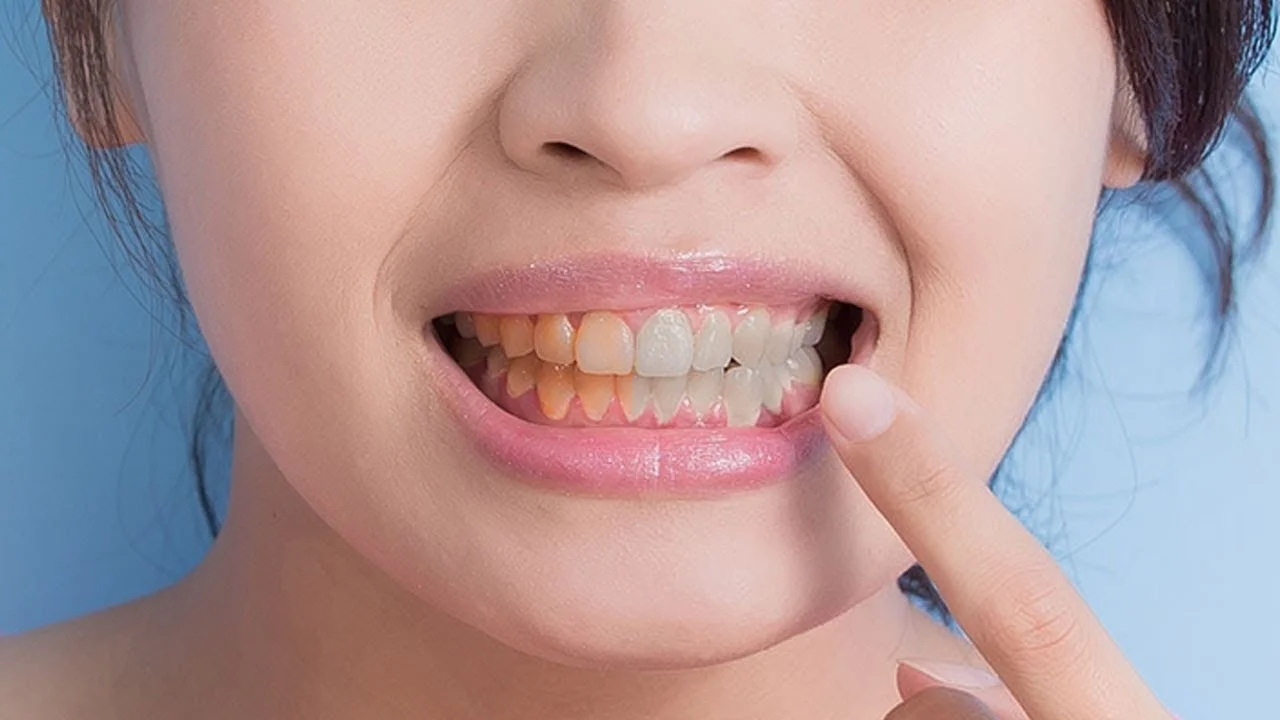
FOODS THAT STAIN TEETH:
Certain foods are known for staining teeth due to their acidity, pigments, or sugars. These substances stick to the enamel and cause plaque to grow, reducing the appearance of your smile.
This is a comprehensive review of the most common food items that can cause staining.
1. COFFEE:
Coffee is a leading stain causing agent because of the dark tannins in it, which are natural substances that adhere to the enamel. Black coffee is particularly hard and leaves brown or yellow marks from daily usage.
The mild acidity makes enamel soft, allowing pigments to be absorbed more quickly.
For instance, a person who drinks a large amount of coffee daily may notice a gradual fading of their skin over the course of months. The addition of milk may lessen the effect, however, the sugar in coffee fuels plaque bacteria, causing stains to worsen.
The act of washing with water immediately after drinking will help remove tannins prior to setting.
2. TEA:
Tea, especially black tea, is a source of tannins similar to coffee, which can cause similar staining.
Even herbal or green teas, such as chamomile, will leave marks, but lighter varieties are less pronounced.
The teas that contain sugar can be more damaging because sugar causes plaque growth and traps stains.
Brushing the tea within 30 minutes after drinking, or washing with water, decreases the effects of tea’s dyes.
3. RED AND WHITE WINE:
Yes, you’ve heard that red wine could stain your teeth However, light-colored white wine may also cause staining but in a different manner.
The staining capabilities of red wine are due to the dark tannins that change teeth into shades of purple-grey color, white wine has a more acidic content, which can scratch and chip away at the enamel.
Certain experts think that the acid may cause pockets to form in the surface, which allow other staining agents to leak further, causing havoc to the white enamel of your teeth.
4. BERRIES:
Blueberries, blackberries as well as raspberries and cranberries contain vibrant pigments that adhere to the enamel. The juices they produce, especially in jams and smoothies, are able to remain in the fridge if they are not cleaned away.
Even lighter berries, such strawberries, might stain a little because of acidic sugars and natural sugars.
A person who consumed a daily dose of smoothies with berries can notice a temporary stain after about a week.
The act of washing with water after eating the berries will help wash away the pigments prior to settling.
5. SODA AND SPORTS DRINKS:
Soda, including clear varieties, is extremely acidic, and it softens enamel making it more prone to stains to develop.
Dark colas, like coke, are a source of pigments which cause brown marks. Sports drinks, which are loaded with acid and sugar can cause the same damage through feeding the plaque, and thus weakening the enamel.
The use of a straw helps direct the water past teeth, which decreases the contact with teeth and stains.
6. TOMATO-BASED SAUCES:
The tomato sauces, which are found in pizza or spaghetti, are brightly colored and acidic.
Acid erodes enamel while red pigments adhere to teeth. Regular meals that contain tomato sauce, like the weekly pasta night, may dull teeth with time.
Someone noticed stains after regular pizza dinners. The water swishing after eating is able to wash off the residue and helps reduce staining.
7. CURRY AND SPICES:
Curries as well as turmeric and saffron contain bright orange or yellow pigments that stick to the enamel. The oils in curries, for instance, can make these colors stickier and cause more staining.
Cleaning after meals is a good way to remove the spice residue prior to it forming into enamel.
8. BALSAMIC VINEGAR:
Another cause of darkening your teeth is balsamic vinegar. The dark pigments, along with the sticky texture could cause dark shades to develop on the enamel.
Consuming greens and balsamic vinegar can aid in preventing the balsamic vinegar from adhering to teeth and forming the appearance of a protective film.
9. CANDY AND SWEETS:
Candy that is sweet, particularly sticky ones such as gummies or caramels, nourish plaque bacteria that are able to trap staining.
Candies that are colored, such as blue or red lollipops include pigments that stick to the enamel. Kids who eat candy regularly tend to show stains after a few weeks.
Brushing after sweets can remove the sugar and colorants before they cause harm.
10. SOY SAUCE:
The dark hue of soy sauce can leave marks on enamel, particularly when it is used frequently in food items like sushi or stir-fry.
The saltiness of the sauce can dry out the mouth, decreasing saliva, which naturally cleanses teeth.
Some people have noticed staining after their weekly sushi night using soy sauce. Afterward, washing with water reduces the harm.
HABITS THAT STAIN TEETH:
Beyond food, certain habits cause teeth to become brown or yellow by the exposure to pigments, or not ensuring proper cleaning.
These habits can accumulate over time.
1. SMOKING OR TOBACCO USE:
Smoking cigarettes and chewing tobacco leave tough brown or yellow stainings from the nicotine as well as tar. They are absorbed into the enamel making them very difficult to wash away.
Smoking can dry the mouth, which reduces saliva’s capacity to clean away particles. One of my coworkers noticed a lot of staining following many years of smoking.
Reducing or quitting smoking and regular brushing aids in preventing staining.
2. POOR ORAL HYGIEN:
The absence of floss or brushing can cause plaque to accumulate, capturing colorants from drinks and foods.
The plaque forms into tartar that locks in stains. Some people noticed their teeth becoming yellower after repeated brushing over a period of months.
The practice of brushing twice a day for two minutes, and flossing at least once a day helps prevent the accumulation.
3. DRINKING WITHOUT A STRAW:
Drinking stains-causing drinks such as soda, coffee or wine can let the liquids cover teeth, thereby increasing the amount of pigment exposed. Straws direct liquid past teeth, which reduces contact.
4. FREQUENT SNACKING:
A constant intake of food, particularly acidic or sugary food items will expose your teeth to stains. Additionally, it feeds the bacteria that cause plaque which can cause discoloration to worsen. Somebody noticed a yellowing effect from eating candy.
Consuming set meals and washing afterward reduces the risk of exposure.
5. NOT RINSING AFTER MEALS:
Inadequately washing your mouth after drinking or eating lets the color of your teeth sit which allows stains to dry. Acidic foods can make this more difficult because they soften enamel.
Habits to Avoid:
- Chewing or smoking tobacco
- Doing not floss or brush regularly
- Drinking staining drinks without straw
- Always consuming acidic or sugary foods
- Do not rinse after eating or drinking
WHAT CAN YOU DO TO PREVENT STAINING?
Although some of the factors which can cause tooth staining are beyond your control, you can lessen the staining using some home-based tips.
- Make sure to brush your teeth following a meal that contains foods that stain your teeth. Develop a routine to brush and floss your teeth shortly after eating beverages or food that could cause discoloration of your teeth.
- Wash your mouth thoroughly with clean water after eating food items that stain teeth. If you’ve consumed beverages or food that contain acid It is advised to avoid damaging your teeth for the next 30 minutes following. Instead, you should wash your mouth with water to wash the staining substance off.
- Reduce your intake of the most significant causes. Although you shouldn’t avoid eating foods or drinks that cause teeth to stain completely, it’s beneficial to cut down on the frequency in order to reduce tooth discoloration.
- Drink with straws. If you are drinking coffee, tea or dark-colored fruit juices and sodas, as well as sports drinks, make use of straws. This can keep the staining liquids from getting into your teeth.
- Do not smoke cigarettes. There’s a reason to quit smoking cigarettes! Talk to your doctor to help you quit tobacco-related products.
- Consider a professional whitening process. Experts can assist you to get your teeth whiter with the help of a professional process. They can also create custom trays that deliver prescription-strength whitening gel to your teeth. The patients wear the trays for a maximum of 1 hour each day for a couple of weeks to get the whiter, brighter smile.
- Try whitening kits that are sold over-the-counter. You can try out over-the-counter tooth kits and whitening pastes you try, but bear an eye on them because they won’t perform as effectively as professional whiteners.
HANDLING STUBBORN STAINS:
Certain stains, particularly those that are deep, won’t go away when you brush them. Professional cleanings can remove the surface stains as well as tartar.
For stains that are not intrinsic treatment, whitening procedures such as strips or bleaching with dental could assist. If you use strips of whitening after coffee staining you can see more radiant smile after a few days.
Always consult with an experienced dentist prior to using bleaching, particularly with dental gum or tooth decay.
Quick Fixes for Stains:
- Professionally cleaned surfaces to remove staining
- Whitening toothpaste for light staining
- Whitening strips that deliver rapid results
- Dentist consultation for deep stains
WRAPPING IT UP:
Things like red wine, coffee soy sauce, berries and coffee and smoking cigarettes or not brushing properly, can cause tooth discoloration and dull your smile. Knowing the causes of these problems can help you to stay clear of these.
Avoid foods that stain and use a straw to rinse your mouth after meals, and floss twice a day to maintain your teeth’s brightness. Regular dentist visits catch stains early.
If the stain is still there the whitening options may help. Get started today to achieve a healthy, confident smile that is noticeable.


