
Balsam
Dental Clinic
2200 Queen St E, Toronto, ON M4E 1E7, Canada
Your Dentist in
The Beaches

Our Goal
Key benefits of choosing our dental care.
Dental care in a friendly, warm, and caring environment. As a dental practice in the Beaches, we believe it's important to educate and communicate, so our patients can make informed choices about their dental health. From your first visit to our Queen Street East office, you're treated like a neighbour.

01.
Landmark Beaches Location
You'll find us in a heritage home at 2200 Queen Street East, in the Beaches neighbourhood — easy to find and easy to reach whether you're nearby or arriving by Queen streetcar.
Landmark Beaches Location
02.
Experienced Team
We make it a priority to understand what each patient needs. Our team has experience across a range of dental treatments and works together to plan care that fits your situation.
Experienced Team

03.
Extended Hours
Our staff works around your schedule. We're open six days a week with evening hours, so you can see us before or after work.
Extended Hours

04.
Friendly Environment
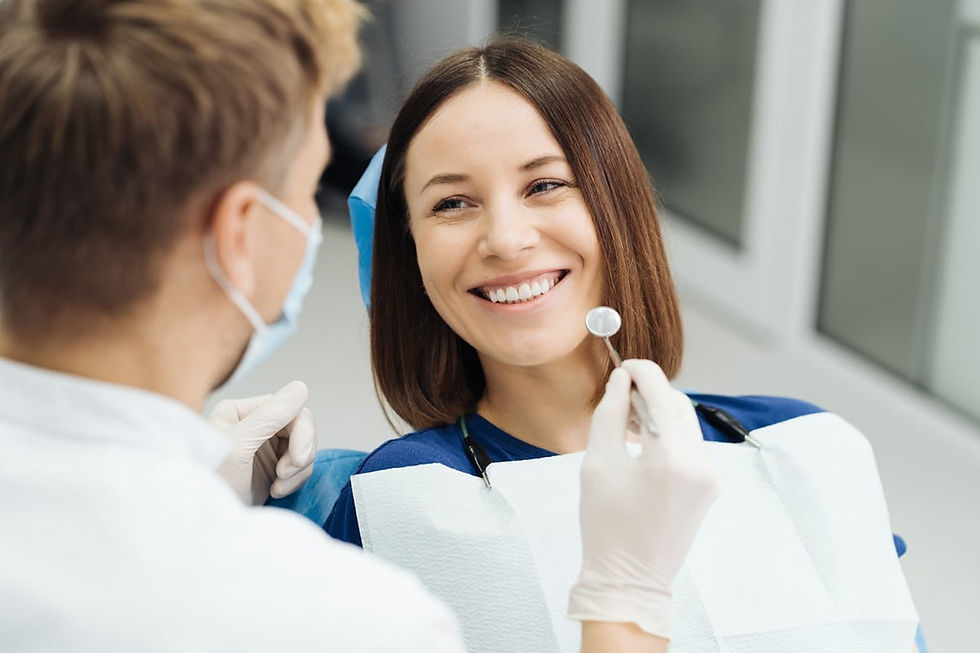
We want every visit to feel comfortable. From our waiting room to our team, we take care to help nervous patients feel at ease.
Friendly Environment
Introduction
We're dedicated to caring for your dental health.
Dental care is about more than clean teeth — it's about long-term health and confidence. Our team has worked with Beaches families for years, delivering care in a warm, welcoming environment.

Extended Hours
Six days a week with evening hours, so appointments fit around work and school schedules.
Modern Technology
Same-day CEREC crowns, digital x-rays, and dental lasers help make treatment efficient and comfortable.
Family Focused Care
A full range of dental services for every age, from a child's first visit to full-mouth restoration.
Truly Personal
Dental emergencies can happen at any time. We provide quick, effective care when you need it most.

YOUR VISIT
What to expect at your visit.
.jpg)
1. Schedule Your Visit
Book online or give us a call. Our team will help you find an appointment time that fits your schedule.
2. Meet Your Dentist
We take time to understand your history, listen to your concerns, and build a plan that fits you — no rushing, no pressure.

3. Smile with Confidence
Personalized care using modern technology in our heritage clinic. Leave feeling confident about your smile.


Dentist / Clinical Director
Meet Dr. Shinde
Dr. Shinde was born in Brantford, Ontario, and shortly thereafter moved to Stratford, where he was raised. He attended Western University, where he received his Honors Bachelor of Science in Physiology, Master of Science in Epidemiology, and Doctor of Dental Surgery.
Throughout his time in dentistry, Dr. Shinde has continued his passion for education by gaining knowledge in many aspects of dentistry, some of which include Invisalign, CEREC Crowns (one appointment crowns), Implantology, Cosmetic dentistry, and laser therapy. He is committed to learning through continuing education.
While living in Stratford, Dr. Shinde gained an appreciation for the culture of theatre and arts, which he continues to enjoy when not working. He also plays many sports in his spare time, such as hockey, basketball, and volleyball.

Testimonials
What our patients say.
Amazing dental office! The staff is very welcoming and the care providers are very knowledgeable and neat at work! BEST! :)
Jarvil Thakkar
Vaishali was so wonderful!! Very tentative, kind & caring. My teeth have never looked so gorgeous before!!
Savanna
News & Blogs
Insights from our Blog.


Are you accepting new patients?
Yes, we're always happy to welcome new patients to Balsam Dental. If you're joining us, our New Patients page walks you through what to expect at your first visit, how insurance works, and what to bring. You can also request an appointment online or call us at (416) 691-8555 to get started.
Do you accept dental insurance?
Yes, we work with all major insurance plans. Balsam Dental operates on a non-assignment basis, which means payment for your treatment is due at the time of your visit. We'll submit the claim to your insurance provider electronically, and your reimbursement will come directly to you. For patients with government-assisted plans like CDCP, ODSP, HSO, or OW, please bring your valid coverage card to your appointment. If you have questions about your specific coverage, our team is happy to help.
What can I expect at my first visit?
Your first visit includes an exam, digital x-rays if needed, and time for us to get to know you. We'll walk you through everything, so there are no surprises.
OUR SERVICES
All the dental care your family needs, under one roof


