balsam dental logo

WHAT IS CRACKED TOOTH SYNDROME? CAUSES, SYMPTOMS, AND SOLUTIONS

WHAT IS CRACKED TOOTH SYNDROME? CAUSES, SYMPTOMS, AND SOLUTIONS

Do your teeth get sensitive or painful when you eat food? Then, you might be suffering from CTS (cracked tooth syndrome). This dental problem can sometimes be difficult to identify. Fortunately, in recent years, so many treatment options have emerged, offering much-needed relief to individuals diagnosed with cracked tooth syndrome. This progress in dental health care brings hope to those experiencing the condition.

Remember that you need to consult your dentist if you suspect that you have cracked tooth syndrome. With their knowledge, they can suggest several treatments, depending on the location and severity of the crack. Continue reading to learn more about how to overcome this problem.

HOW DO YOU DEFINE A CRACKED TOOTH?

One of the most common dental problems is a damaged (cracked) tooth. A cracked tooth is a tooth that has been injured. Such damaged teeth usually result in small breaks within the tooth structure. In some cases, the crack may be so minute that it does not interfere with the function of the teeth. Sometimes, your tooth may remain in fragments or cracks.

A tooth that cracks may also be a result of dental problems. Incisors and molars are the most susceptible teeth to cracking. Moreover, cracks can develop in different areas of a tooth.

If you feel that your tooth has been cracked, you should get it checked by a dental professional as soon as possible. Early and right medical intervention can save the form and functionality of your tooth, protecting you from serious oral consequences.
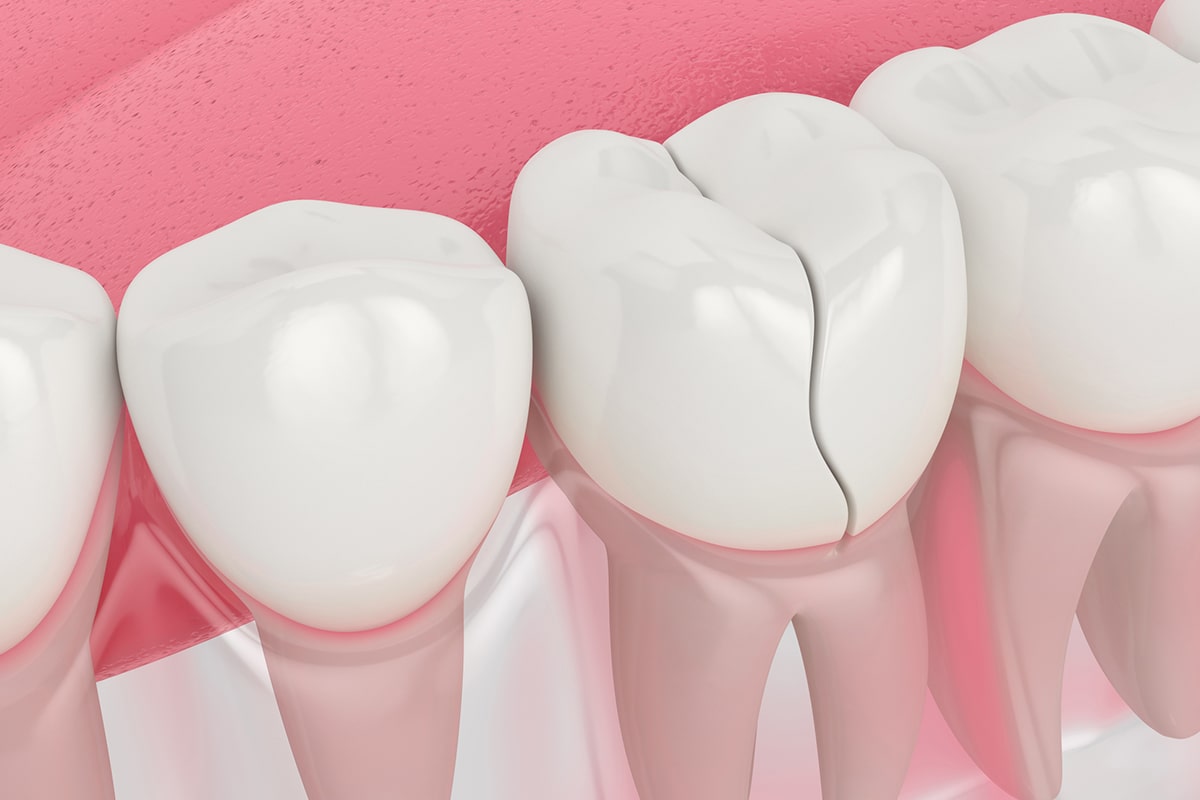
Cracked tooth

WHICH PARTS OF A TOOTH CAN GET CRACKED?

Teeth are composed of two parts: the structure of the tooth that is visible above the gum line and the section below the gums that holds the tooth.

Both of these parts are made up of several layers:

  • Enamel: A hard white outer covering of our teeth.
  • Dentin: The layer of the tooth between the pulp, or center portion, and the enamel, or outer shell.
  • A pulp: The soft tissue in the middle of the tooth.

If a tooth experiences a fracture, it can impact all of its layers. If a crack has reached the innermost layer of the tooth, i.e., the pulp, the tooth will no longer be curable. This means that the dentist might have to extract such teeth. They can replace the extracted tooth with other dental alternatives, like bridges or dental implants.
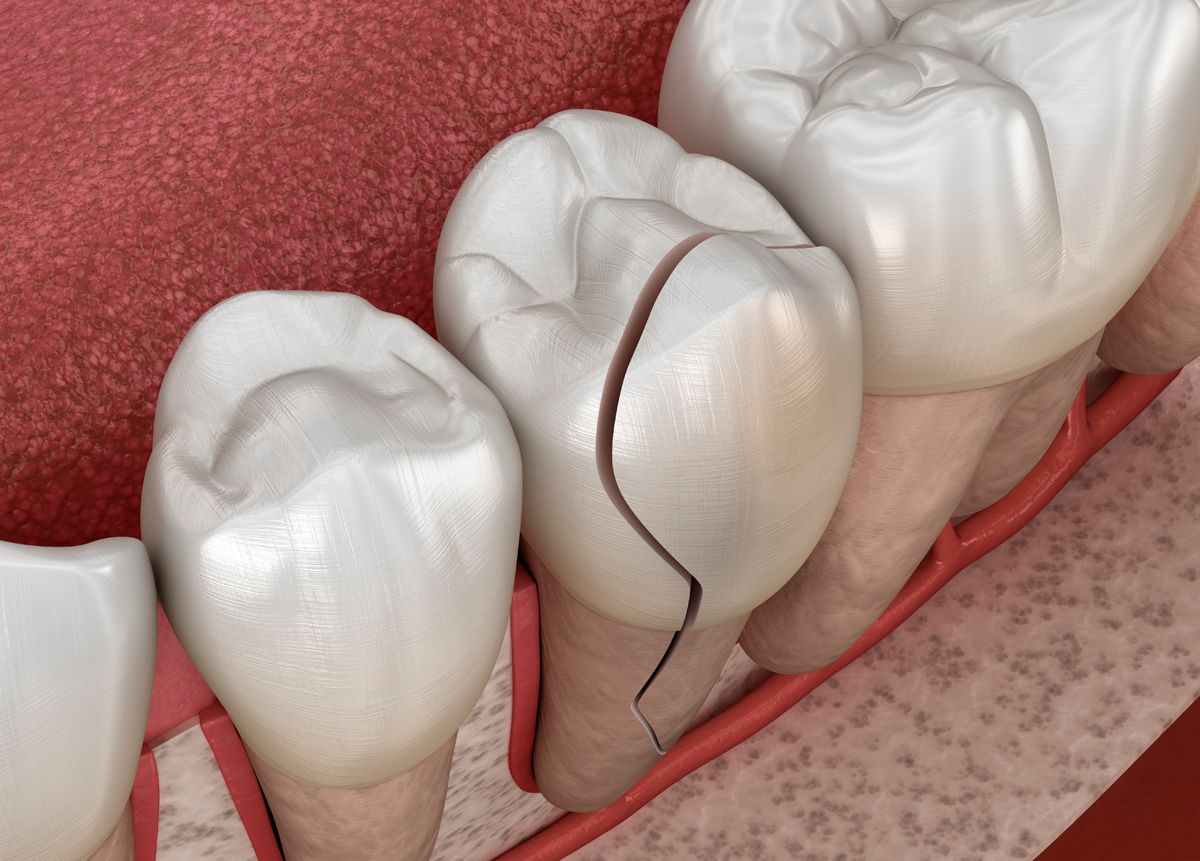
Cracked tooth

FACTORS RESPONSIBLE FOR CRACKED TOOTH SYNDROME

The most common reasons for a cracked tooth are:

  • Trauma: It can be a major factor for a cracked tooth, such as a head-on fall, a sports-related injury, a bike or car accident, as well as a face injury.
  • Age: Tooth cracks are more likely to happen to people 50 and over.
  • Teeth grinding (bruxism)
  • Those people who chew ice, candy, and popcorn kernels.
  • Habits such as chewing fingers, fingernails, or chewing gums.

DIAGNOSIS

It is not simple to detect a tooth crack. If the crack is invisible to the naked eye, the dentist will ask the patient to share their dental history to diagnose the actual cause of the problem. The dentist may also use a colored dye that will make a crack more visible during an examination of the teeth. He is also likely to use a magnifying glass and a dental explorer, which would detect any cracked or rough edges on the tooth.

Dentists can also look for signs of inflammation. This is because vertical cracks often lead to infection of the gums. To do this, they may ask the patient to bite on something to determine if they feel any sort of pain.

Other diagnostic measures include:

  1. A CBCT scan: It can then be used to detect bone loss in a fractured tooth after a person has encountered an incident.
  2. X-ray and transillumination: During this diagnostic procedure, light passes through the tooth, which helps to identify the presence of a fracture.

HOW TO TREAT A CRACKED TOOTH SYNDROME?

You should seek immediate attention from a dentist if you suspect you have cracked tooth syndrome (CTS). If your tooth has been cracked, it will not heal on its own. Moreover, if you neglect such a tooth, its fragment can break or fall off. This can also lead to nerve damage. So, never overlook cracked or fractured teeth.

Here are some treatment options that you can go for if you have cracked teeth:

  • Bonding: This procedure involves filling the fracture in the tooth with plastic resin.
  • Veneer: If most of your tooth structure is intact, your dentist can place a porcelain or composite veneer on the front of your tooth.
  • Crown: If the structure of the tooth is severely damaged, the dentist may proceed with a porcelain or ceramic crown.
  • Root canal: This is usually recommended when the fracture advances to the pulp chamber. In such situations, dentists remove the damaged part of the tooth.
  • Tooth extraction: There are instances when a dentist will have to extract the entire tooth due to the extent of the damage.

When your tooth has been damaged, you should consult immediately with your professional dentist. If you cannot see an immediate dentist, you can alleviate the swelling by applying an ice pack. Aspirin is another NSAID that can be taken to reduce pain and swelling. Saltwater can also be used to prevent infection. In some instances, when the crack is not noticeable or painless, there are chances that your dentist may not suggest any sort of treatment.

However, dentists perform a proper checkup on such teeth to ensure that they can serve for many years. If that’s not the case, dentists usually recommend either of the above-mentioned dental treatments.

KEY TAKEAWAY

Cracked tooth syndrome (CTS) is a common yet challenging condition to identify and manage. It manifests as small cracks or fractures within the tooth, often causing severe pain or sensitivity, particularly during eating meals.

Therefore, it’s crucial for a dental professional to diagnose this promptly to avert additional harm and potential tooth loss. Thus, if you have a cracked tooth, book an appointment with your dental specialist now!

By |2025-12-08T14:18:10+00:00May 30, 2024|Blog|Comments Off on WHAT IS CRACKED TOOTH SYNDROME? CAUSES, SYMPTOMS, AND SOLUTIONS

Conventional Orthodontics: Its Benefits And Types

CONVENTIONAL ORTHODONTICS: ITS BENEFITS AND TYPES

Are you looking for conventional orthodontics? It is an approach to aligning and straightening an individual’s teeth and jaw. Conventional orthodontics can be a perfect solution if you have misaligned, overlapped, gapped, crooked, or twisted teeth.

This dental treatment includes procedures like metal braces, clear aligners, and removable retainers. Conventional orthodontics corrects so many dental issues and can improve the appearance of your smile. This will help you feel better about yourself, boosting your self-confidence.

When your teeth are in the right place, you’ll feel more comfortable smiling and talking with people. Want to discover more about this incredible dental treatment? If so, then continue with your reading!

TYPES OF CONVENTIONAL ORTHODONTICS

Conventional orthodontics is quite a diverse field and includes multiple types of dental procedures. However, the main purpose of all these treatment methods is to fix the teeth alignment issues. Aside from correcting tooth positioning issues, these oral processes can also save you from severe oral consequences.

When they fix the teeth alignment problems, they close gaps and extra spaces between teeth. When there are no extra spaces between your teeth, plaque and other harmful particles cannot reside there and affect your oral health.

Moreover, conventional orthodontics also corrects various jaw problems by aligning your teeth. Here are some of the most common types of procedures involved in conventional orthodontics that you need to know about:

1. METAL BRACES

Conventional braces are manufactured from metal or ceramic brackets that are connected by wires and bonded to misaligned teeth. These wires need periodic adjustments for which the wearers must visit their dentist’s office. Metal braces have been used in dentistry for ages and are regarded as the most common type of dental treatment.

These braces offer numerous benefits, one of which is their effectiveness. They can gradually fix a diverse array of oral issues, including:

However, the wires of traditional braces are noticeable and can be seen when a person smiles or talks. But if this is not an issue for you, these braces can be a suitable way to reposition your teeth.

Conventional Orthodontics

2. CLEAR ALIGNERS

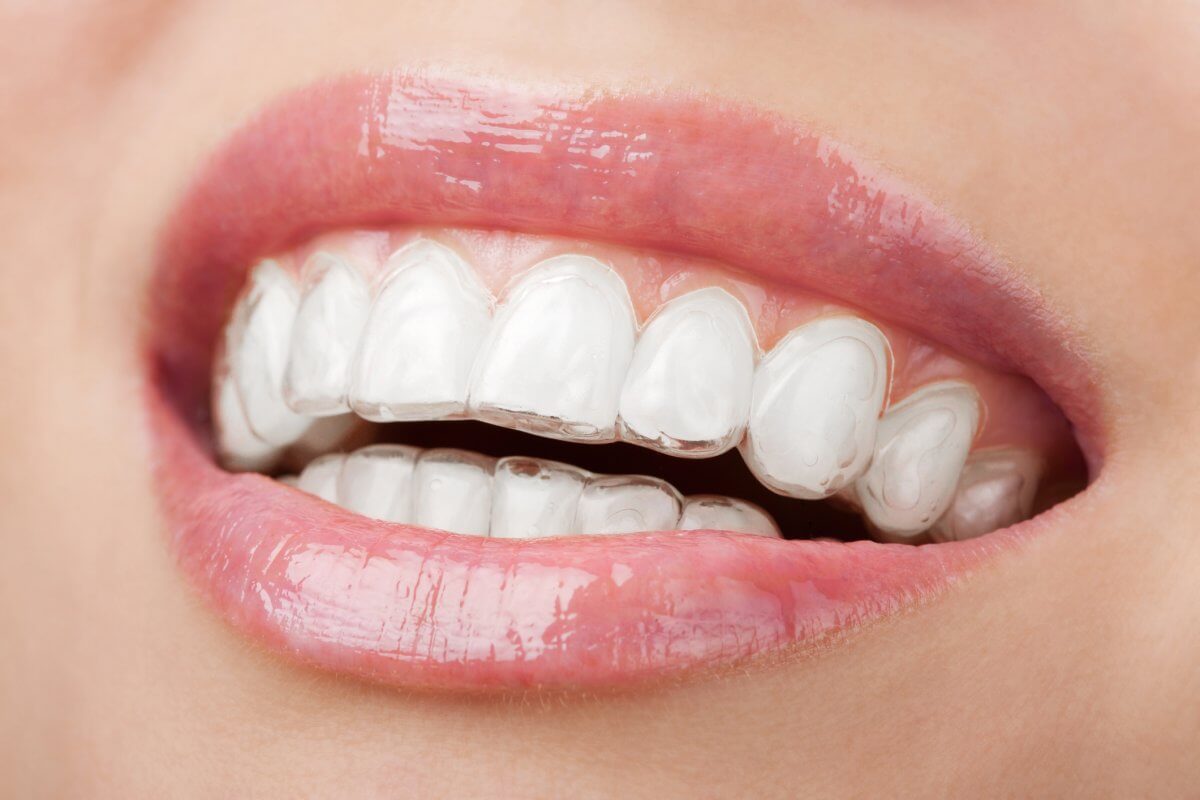
Invisalign is another type of conventional orthodontics. This dental treatment has gained significant popularity because the clear aligners are almost invisible. That’s why people wouldn’t have any idea that you’re wearing them.

Yes, you heard it right!

These clear aligners are almost impossible to see, so people choose this approach to straightening their teeth.

They are created with a clear, thin plastic material that is custom-molded to fit your teeth. In addition to being invisible, they can also be removed for eating and cleaning purposes. This makes Invisalign the most convenient and comfortable treatment method. You can start this treatment by having a consultation with your dentist. In this session, he will take an impression of your teeth and send them to a dental lab. Within a few days, your clear aligners will be ready to be fitted onto your teeth.

Patients should wear different sets of clear aligners throughout the treatment process. Each set gradually shifts teeth into their correct positions.

However, clear aligners are not recommended for relatively more complicated orthodontic issues. Moreover, this treatment method can take longer to show desired results than traditional braces. Yet, if you are looking for a discreet treatment method for aligning your teeth, clear aligners can be a perfect option for you. But before making up your mind, it is important to discuss it with your oral healthcare practitioner. He will evaluate your overall oral health and will devise a customized treatment plan for you.

3. RETAINERS

After your teeth are aligned through clear aligners or metal braces, your dentist will suggest retainers. These dental devices are custom-made to keep your teeth aligned and in the correct position.

Braces straighten your teeth, and retainers help them remain that way. That’s the reason retainers are as important as aligners or braces.

After your treatment, your dentist will tell you how often you should wear your retainers to prevent your teeth from drifting out of their correct positions.

Conventional Orthodontics

BENEFITS OF CONVENTIONAL ORTHODONTICS

Conventional orthodontics has so many advantages that you must be aware of:

1. FIX VARIOUS DENTAL ISSUES

Conventional orthodontics offers flexibility by correcting a wide array of oral complications. In addition to straightening your teeth, they can also address issues like crossbites, overbites, or underbites.

These teeth-aligning treatments can also close the unwanted spaces between teeth. This way, it helps you avoid various complex dental issues.

2. THEY ARE MORE AFFORDABLE

Conventional orthodontics are the most affordable dental treatments. They will fix your oral issues without putting a dent in your wallet. Moreover, these procedures are often covered by dental insurance.

Thus, you should check what amount your insurance covers before going for these treatments. Generally, metal braces can cost you somewhere between £1,800 to £3,900. On the other hand, Invisalign prices fall between the bracket of £2,300 to £4,600.

3. THEY PROVIDE ENHANCED ORAL HEALTH

Orthodontics isn’t just about cosmetic appeal. It is equally important for the well-being of your teeth and gums. Straight teeth are easier to clean and maintain, which reduces the risk of cavities, gum disease, and other oral health problems.

CONCLUSION

After exploring the different types of conventional orthodontic treatments, you will better understand their significance and what will suit you. If your teeth are not severely misaligned and you want a discreet treatment option, Invisalign can work best for you. However, if you suffer from serious teeth alignment issues, metal braces will be best.

When choosing the right type of treatment, it’s important to consider individual preferences, orthodontic needs, and the advice of a trusted orthodontist. To make the best decision, consider the benefits and drawbacks of each option.

Also, weigh factors like treatment effectiveness, comfort, maintenance requirements, and overall appearance. By doing so, you can ensure that you make an informed choice that meets your unique needs.

By |2025-12-09T10:23:21+00:00May 2, 2024|Blog|Comments Off on Conventional Orthodontics: Its Benefits And Types
Go to Top